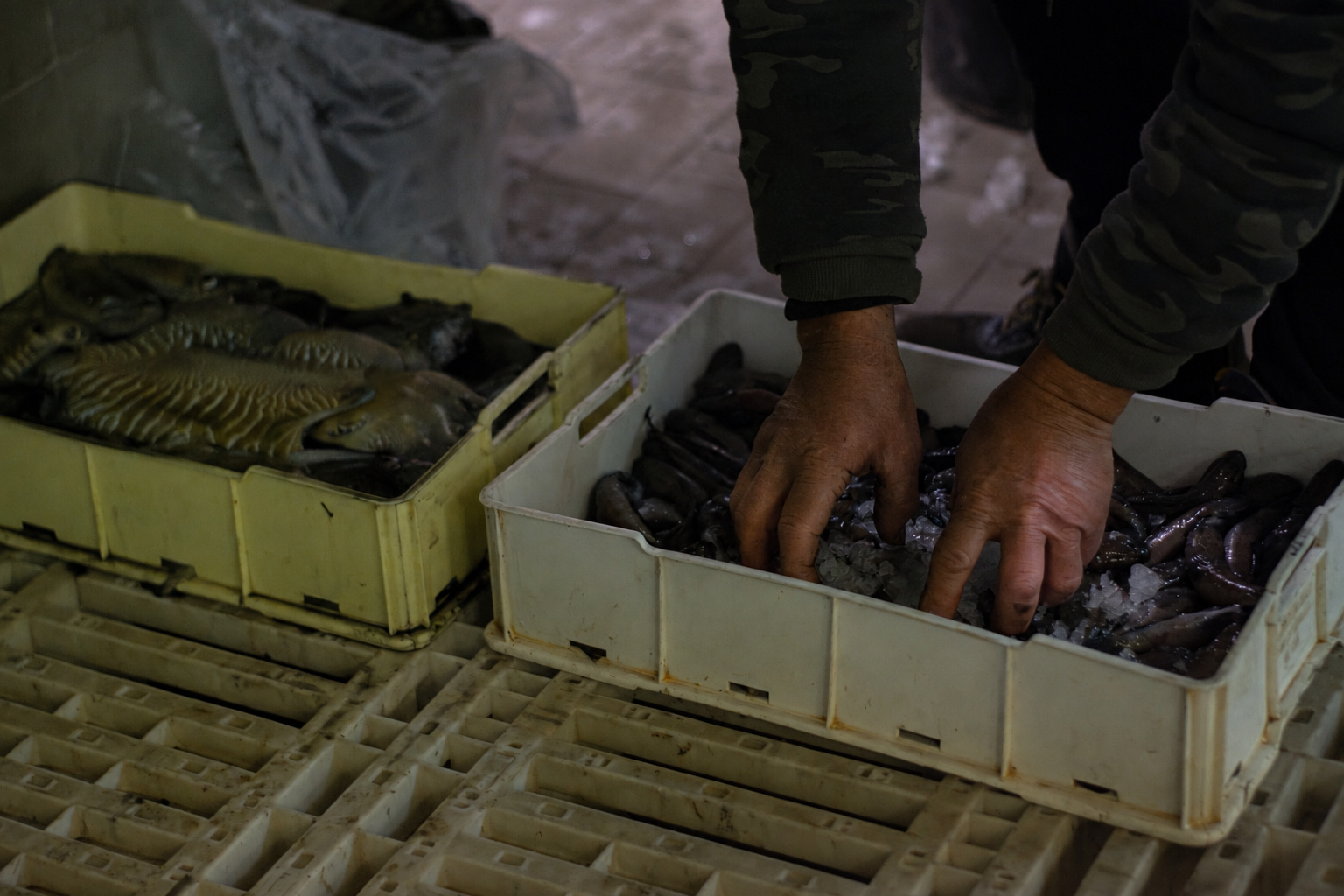
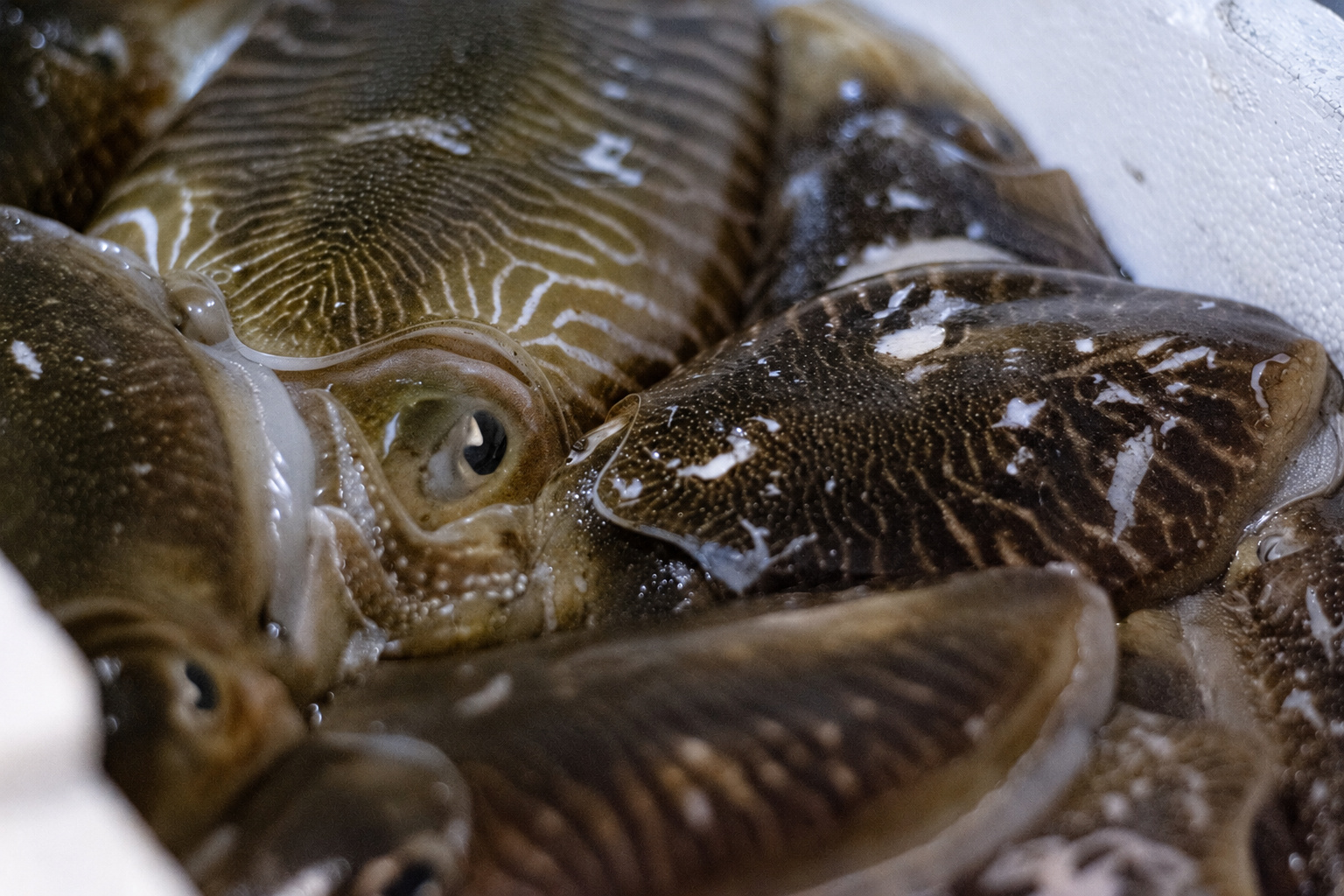
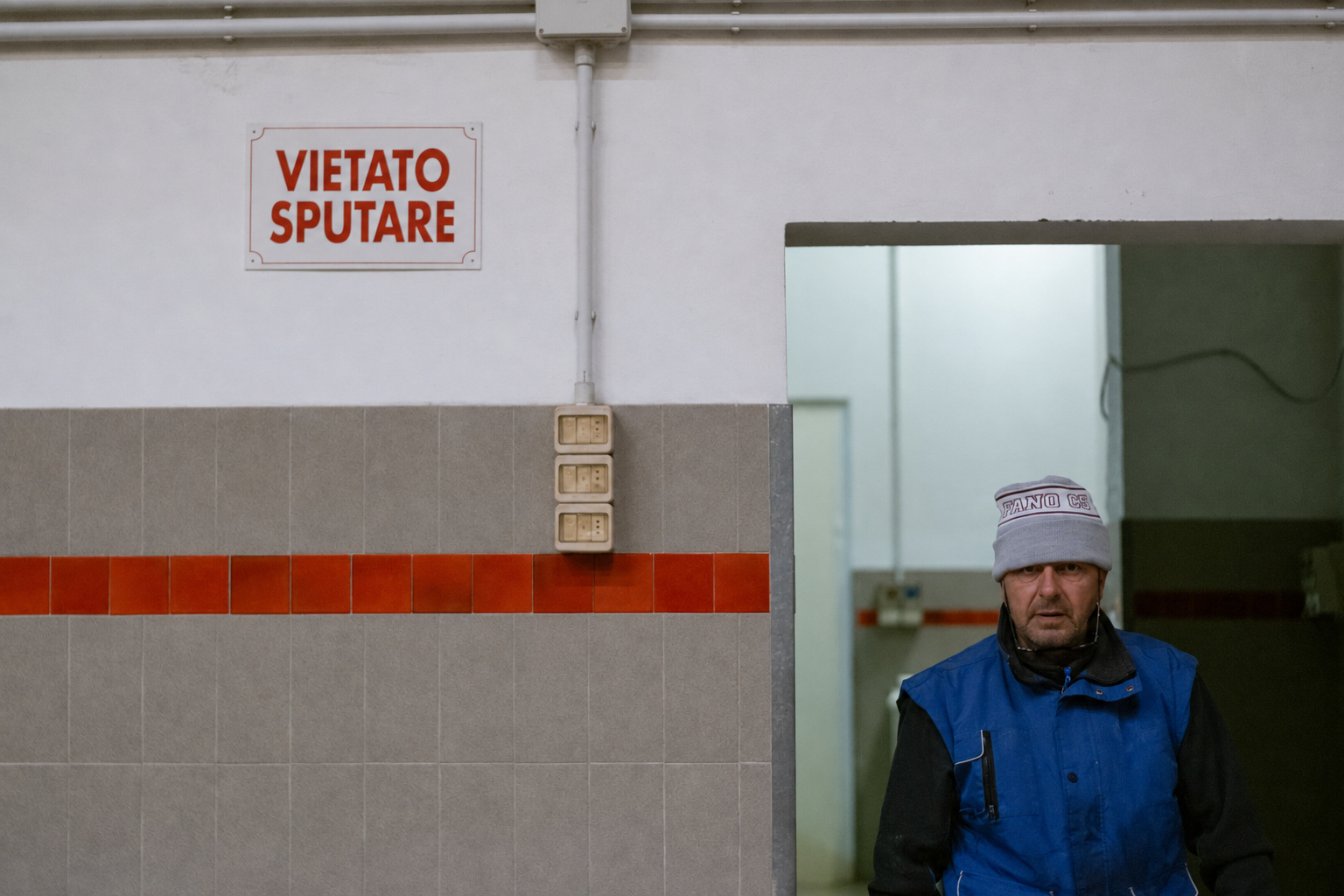
Fishermen operate within a temporal system detached from linear time, guided instead by tides, darkness, and shifting weather. Their gestures, precise, repetitive, and necessary, become a form of embodied knowledge, where survival depends on an intimate negotiation with an environment that cannot be controlled.
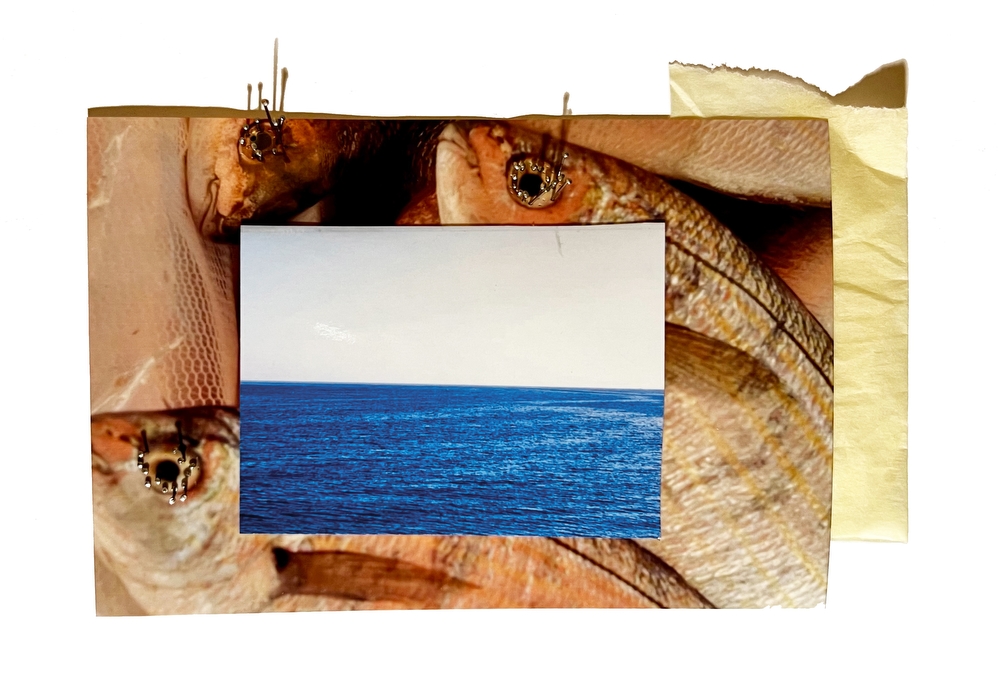
The project combines images, fragments, and physical interventions such as stitching and pinning, creating a visual language that resists stability. Surfaces are cut, pierced, and reassembled, echoing the fragile balance between structure and collapse, presence and disappearance.
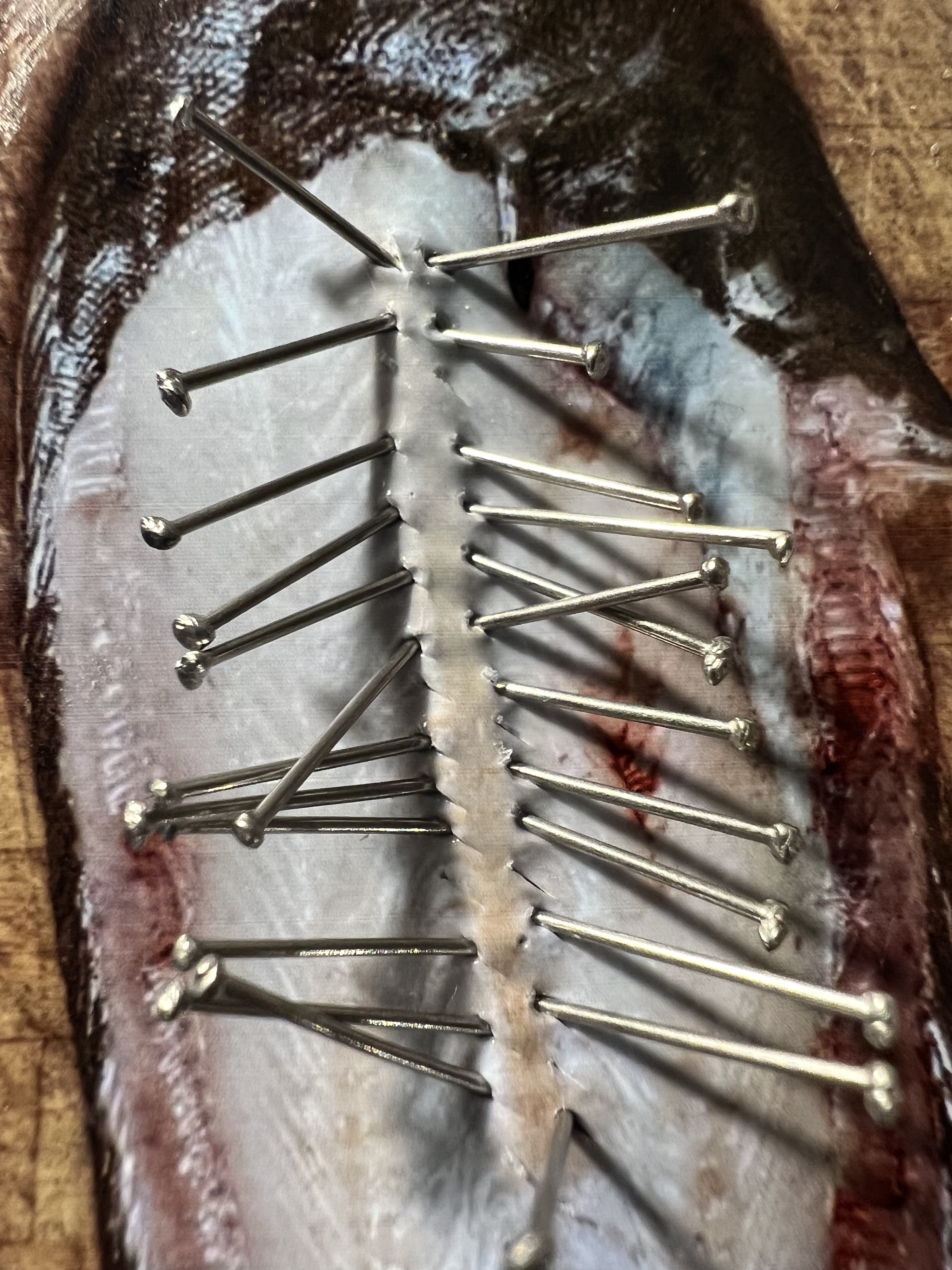
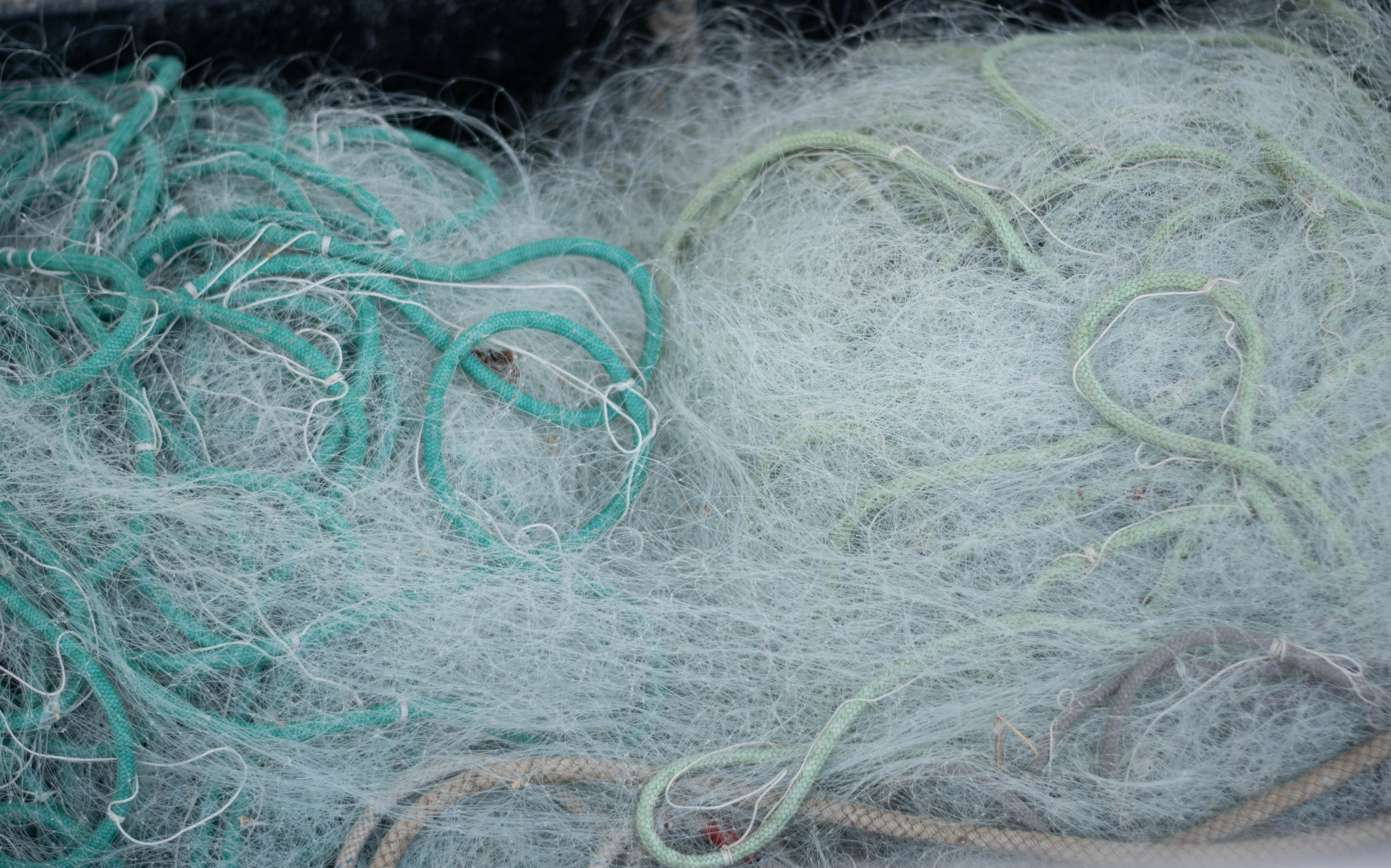
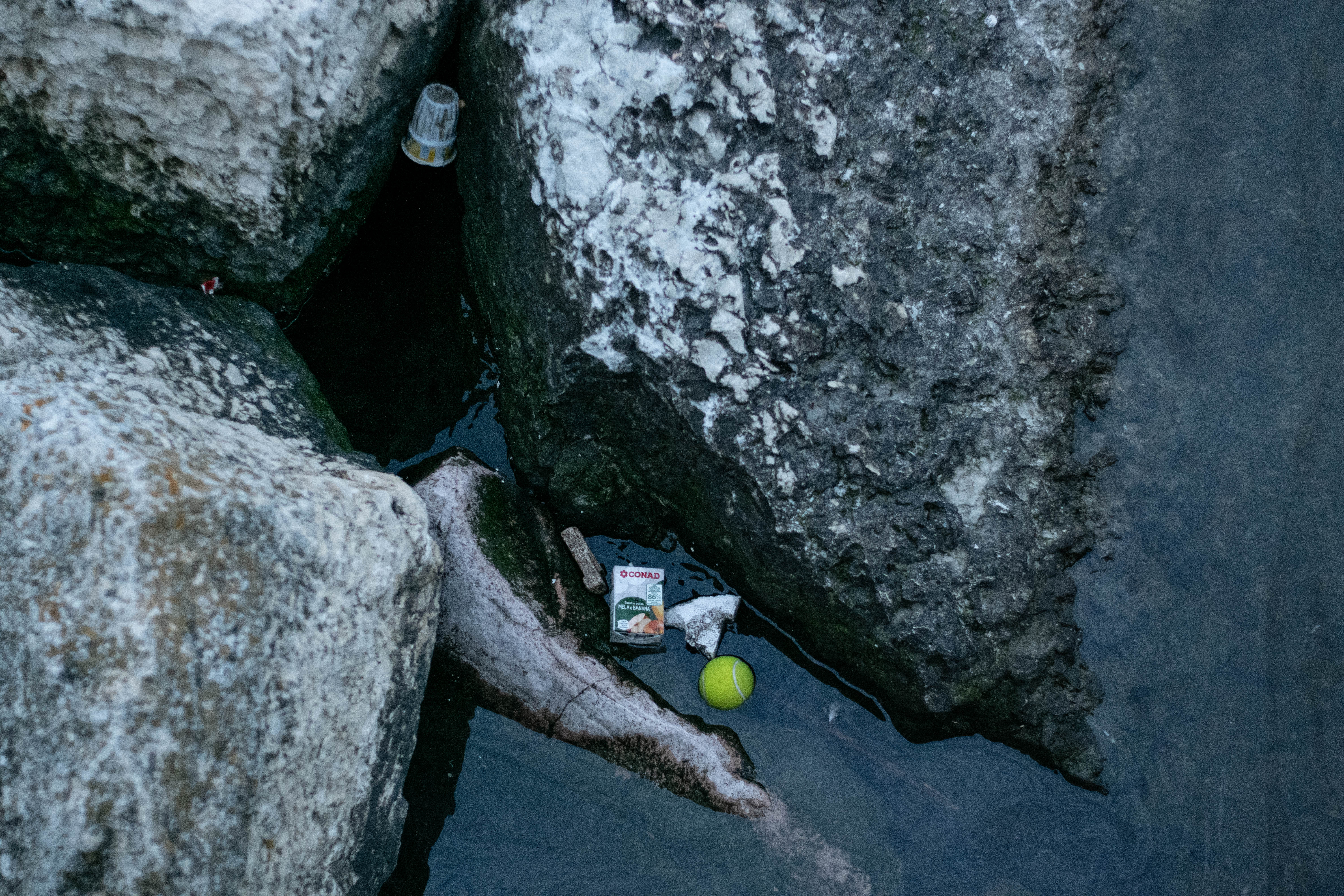
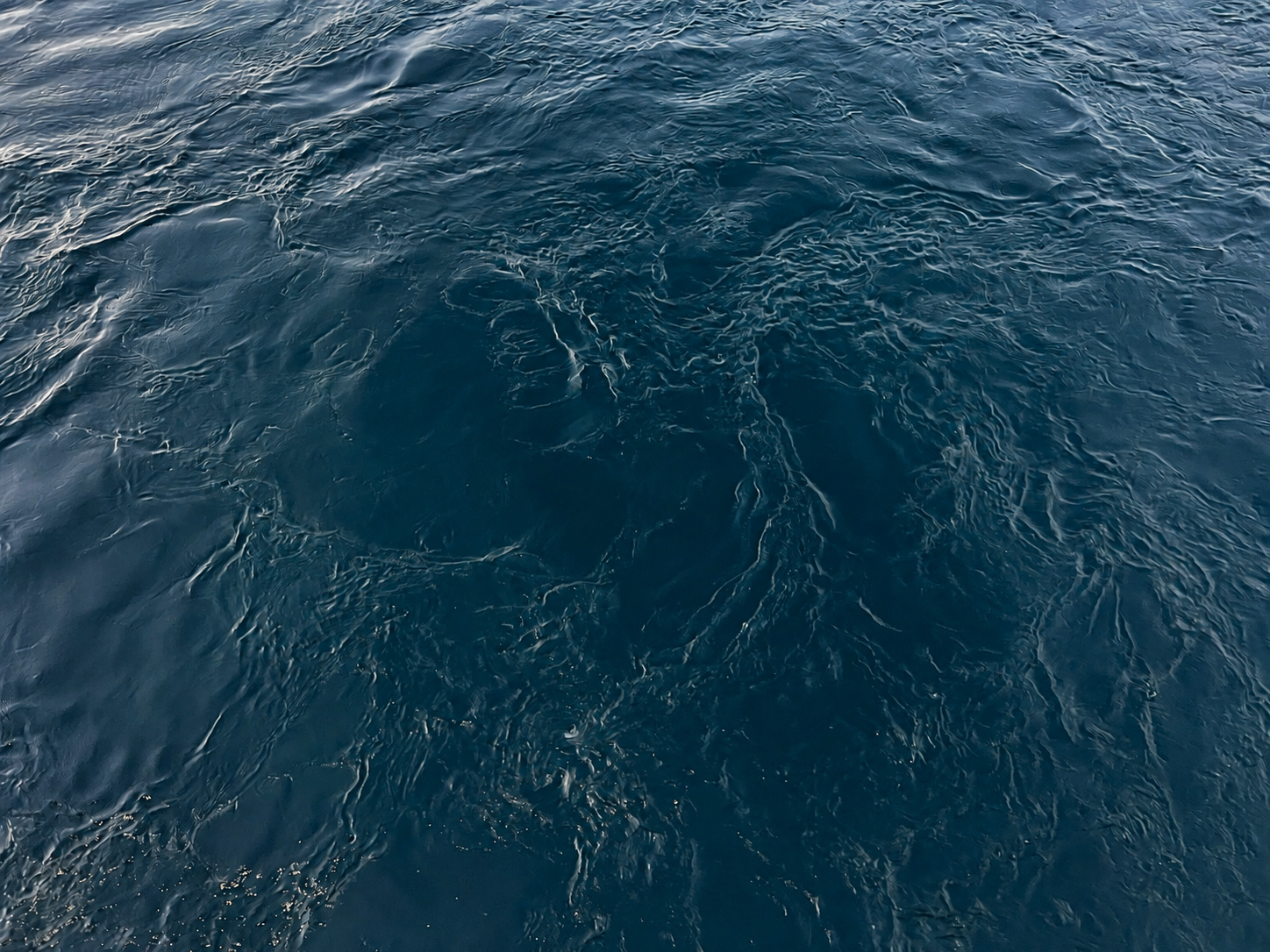
Rather than offering a documentary account, Aremu constructs a sensorial and fragmented narrative. The sea is not represented as a landscape, but as a force that alters perception, dissolves boundaries, and continuously reshapes identity. Within this space, the human figure becomes both resilient and vulnerable, suspended between belonging and loss.